
Exploring Employee Wellness Month Campaigns That Actually Improve Engagement, this introduction delves into successful strategies and key components that drive employee engagement, setting the stage for an insightful discussion.
Providing detailed descriptions of impactful campaigns and their effects on employee well-being and productivity, this overview captures the essence of enhancing engagement in the workplace.
Examples of Successful Employee Wellness Month Campaigns
Employee wellness month campaigns are a great way to promote a healthy workplace culture and boost employee engagement. Here are three examples of successful campaigns that have made a significant impact on employee well-being and productivity.Campaign 1: "Healthy Habits Challenge"
The company organized a month-long challenge encouraging employees to adopt healthy habits such as regular exercise, balanced nutrition, and stress management. Employees were provided with resources like workout plans, healthy recipes, and meditation guides. The campaign included weekly check-ins, progress tracking, and rewards for participation. As a result, employees reported feeling more energized, focused, and less stressed. Productivity also increased as employees took better care of their physical and mental health.Campaign 2: "Mindfulness and Mental Health Workshops"
Throughout the month, the company offered workshops on mindfulness, stress management, and mental health awareness. Employees had the opportunity to learn techniques for coping with stress, practicing mindfulness, and seeking support when needed. These workshops created a safe space for open discussions and destigmatized mental health issues in the workplace. As a result, employees reported feeling more supported, less anxious, and more engaged in their work.Campaign 3: "Fitness Challenges and Team Building Activities"
The company organized fitness challenges like step competitions, yoga classes, and team sports activities. Employees were encouraged to participate in group workouts and team building exercises to promote a sense of community and camaraderie. These activities not only improved physical health but also strengthened relationships among coworkers. As a result, employees felt more connected, motivated, and supported by their peers, leading to a more positive work environment and increased collaboration.Strategies for Designing Effective Employee Wellness Month Campaigns
Employee wellness month campaigns are crucial for promoting a healthy workplace culture and improving employee engagement. Here are key components that should be included in a successful employee wellness month campaign:1. Education and Awareness Initiatives
Educating employees about the importance of physical and mental health is essential. This can include workshops, seminars, and informational sessions on topics like stress management, nutrition, and exercise.2. Interactive Challenges
Implementing interactive challenges such as step challenges, healthy eating challenges, or meditation challenges can help employees stay motivated and engaged throughout the campaign.3. Health Screenings and Assessments
Offering health screenings or assessments can provide employees with valuable insights into their health status. This can include blood pressure checks, cholesterol screenings, or mental health assessments.4. Wellness Workshops
Organizing wellness workshops led by experts in various health-related fields can be beneficial. Topics can range from mindfulness and meditation to ergonomics and workplace ergonomics.5. Employee Assistance Programs
Providing access to employee assistance programs for mental health support can be a valuable resource for employees who may be struggling with stress, anxiety, or other mental health issues.6. Tailoring Campaigns to Different Employee Demographics
It's important to consider the diverse needs and preferences of employees when designing wellness campaigns. Tailoring initiatives to different demographics, such as age groups, job roles, or interests, can help increase engagement and participation.Measuring Engagement and Success of Employee Wellness Month Campaigns
Employee wellness month campaigns are only as effective as the engagement they generate among employees. Measuring this engagement and assessing the success of such campaigns is crucial for organizations to understand the impact on their workforce and make informed decisions for future initiatives.Metrics for Measuring Employee Engagement
- Participation Rates: Tracking the number of employees actively participating in wellness activities can provide insights into overall engagement levels.
- Survey Feedback: Conducting surveys before, during, and after the campaign can help gather qualitative data on employee satisfaction and engagement.
- Health Metrics: Monitoring changes in health indicators such as reduced absenteeism, improved productivity, and lower healthcare costs can indicate the impact of the campaign on employee well-being.
Importance of Data Collection for Assessing Campaign Success
Collecting feedback and data throughout the employee wellness month campaign is essential for evaluating its success. This data can help identify areas of improvement, measure the effectiveness of different initiatives, and tailor future campaigns to better meet employee needs.Examples of Evaluation Strategies
| Company | Evaluation Approach |
| XYZ Corporation | Conducted pre- and post-campaign surveys to measure changes in employee satisfaction and well-being. |
| ABC Company | Utilized participation rates and health metrics to track the impact of wellness initiatives on employee engagement and overall health. |
Long-Term Strategies for Sustaining Employee Engagement Beyond Wellness Month
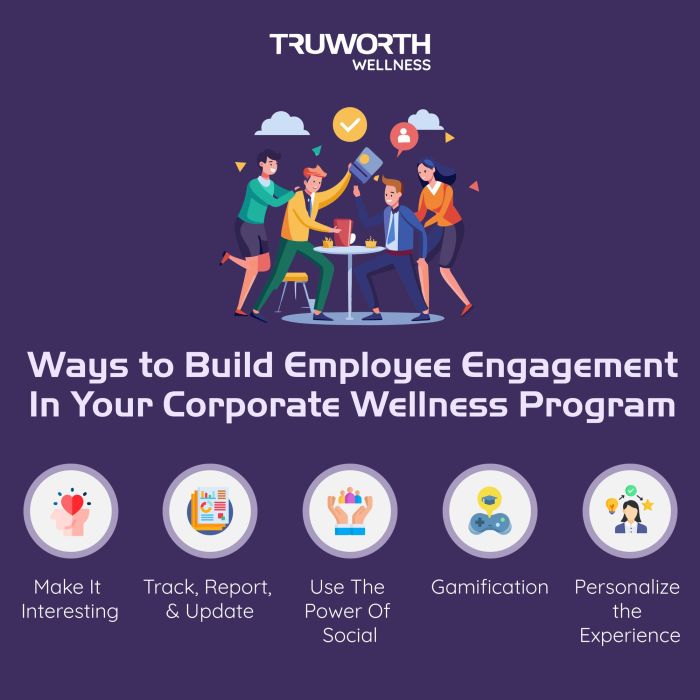 To maintain the momentum of employee engagement post-wellness month, companies need to implement strategies that foster a culture of well-being throughout the year. Continuous communication, support programs, and incentives play a crucial role in keeping employees engaged and motivated long-term.
Continuous Communication
Effective communication is key to sustaining employee engagement. Companies should regularly update employees on wellness initiatives, share success stories, and provide resources for ongoing support. By keeping the conversation alive, employees are more likely to stay engaged and prioritize their well-being.Support Programs
Implementing support programs such as mental health resources, fitness challenges, and nutrition workshops can further engage employees beyond Wellness Month. These programs not only provide valuable resources but also create a sense of community and support within the organization.Incentives
Offering incentives for participation in wellness activities can motivate employees to stay engaged throughout the year. Whether it's through rewards, recognition, or gamification, incentives can encourage employees to maintain healthy habits and actively participate in wellness initiatives.Examples of Successful Integration
Companies like Google, Zappos, and Salesforce have successfully integrated wellness initiatives into their company culture for long-term engagement. By prioritizing employee well-being, these organizations have not only improved employee satisfaction but also productivity and overall company performance.Final Summary
In conclusion, Employee Wellness Month Campaigns That Actually Improve Engagement offer a roadmap to sustaining long-term engagement and well-being among employees, fostering a positive work culture and increased productivity.
FAQ Corner
What are some key components of successful employee wellness month campaigns?
Key components include engaging activities, tailored approaches for different demographics, and strategies to maintain momentum post-campaign.
How can companies measure the success of their employee wellness month campaigns?
Companies can use metrics, feedback collection, and data analysis to evaluate the impact of campaigns on employee engagement and well-being.
What are some long-term strategies for sustaining employee engagement beyond wellness month?
Continuous communication, support programs, and integrating wellness initiatives into company culture are effective long-term engagement strategies.