
Exploring the realm of Measuring ROI in Corporate Health and Wellness Initiatives, this introduction delves into the importance of evaluating the effectiveness of such programs for organizations. Through a blend of quantitative and qualitative measures, companies can gain valuable insights into the impact of their wellness initiatives. Let's uncover the key metrics and strategies essential for maximizing ROI in corporate health and wellness efforts.
Importance of Measuring ROI in Corporate Health and Wellness Initiatives
Measuring ROI in corporate health and wellness initiatives is crucial for organizations to assess the impact of their programs and make informed decisions about future investments. By quantifying the return on investment, companies can determine the effectiveness of their health initiatives and tailor them to better meet the needs of their employees.Assessing Effectiveness of Corporate Health Initiatives
- ROI measurement helps in evaluating the success of health and wellness programs in improving employee health outcomes.
- It allows organizations to identify areas of improvement and make adjustments to their initiatives for better results.
- Tracking ROI enables companies to demonstrate the value of their health programs to stakeholders and secure ongoing support and funding.
Key Metrics for Measuring ROI in Health and Wellness Programs
- Healthcare Cost Savings: Calculating the reduction in healthcare costs due to improved employee health and well-being.
- Absenteeism Rates: Monitoring the decrease in absenteeism as a result of healthier employees participating in wellness programs.
- Productivity Levels: Measuring the increase in productivity and performance of employees who engage in health initiatives.
- Employee Engagement: Assessing the level of employee engagement and satisfaction with the company's health and wellness offerings.
Methods for Measuring ROI in Corporate Health and Wellness Initiatives
When it comes to measuring the return on investment (ROI) in corporate health and wellness initiatives, there are various methods that organizations can employ to assess the effectiveness of their programs. These methods can help companies understand the impact of their wellness initiatives on employee health, productivity, and overall business outcomes.
Different Approaches to Calculate ROI in Corporate Health Programs
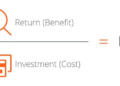
- Cost-Benefit Analysis: This approach involves comparing the costs associated with implementing a health program with the financial benefits it generates, such as reduced healthcare expenses or increased productivity.
- Healthcare Cost Savings: This method focuses on quantifying the savings in healthcare costs resulting from employees participating in wellness programs, including fewer doctor visits, lower prescription drug costs, and decreased hospitalizations.
- Productivity Metrics: By measuring changes in absenteeism rates, presenteeism, and employee engagement levels, organizations can determine the impact of wellness initiatives on employee productivity and performance.
Quantitative and Qualitative Measures for Evaluating ROI
While quantitative measures provide concrete data in terms of financial savings and productivity gains, qualitative measures offer valuable insights into employee satisfaction, morale, and overall well-being. Combining both types of measures can provide a comprehensive view of the ROI of health and wellness programs.
Best Practices for Collecting Data and Analyzing ROI
- Set Clear Objectives: Define specific goals and outcomes that you want to achieve through your wellness initiatives to ensure that you are collecting relevant data.
- Use Benchmarking: Compare your organization's ROI with industry standards or peer benchmarks to assess the effectiveness of your health programs and identify areas for improvement.
- Implement Employee Surveys: Gather feedback from employees to understand their perceptions of the wellness programs and how they have impacted their health and well-being.
- Track Key Metrics: Monitor key performance indicators related to healthcare costs, absenteeism, turnover rates, and employee engagement to evaluate the success of your initiatives over time.
Challenges in Measuring ROI in Corporate Health and Wellness Initiatives
Measuring the return on investment (ROI) in corporate health and wellness initiatives can present several challenges for organizations. These challenges can hinder the accurate assessment of the effectiveness of these programs and impact decision-making processes. It is crucial for businesses to address these obstacles to ensure the success of their health and wellness initiatives.Common Obstacles Faced by Organizations
- Lack of clear metrics: One of the main challenges is the absence of standardized metrics to measure the impact of health and wellness programs. Without clear benchmarks, it becomes difficult to quantify the benefits and determine the ROI accurately.
- Difficulty in data collection: Gathering relevant data on employee health, productivity, absenteeism, and other factors can be a daunting task. Incomplete or inaccurate data can skew the results and lead to an inaccurate assessment of the ROI.
- Long-term impact assessment: Health and wellness initiatives often have long-term effects that may not be immediately visible. It can be challenging to track and measure these long-term impacts accurately.
Strategies to Overcome Challenges
- Establish clear objectives: Define specific goals and objectives for the health and wellness programs to align them with the overall business objectives. This clarity can help in setting relevant metrics for measuring ROI.
- Invest in data analytics: Utilize advanced data analytics tools to collect, analyze, and interpret data related to employee health and wellness. This can provide valuable insights for measuring the impact of these programs.
- Engage employees: Encourage active participation from employees in health and wellness initiatives. Employee feedback and engagement can help in assessing the effectiveness of the programs and determining their ROI.
Addressing Data Accuracy and Reliability
- Ensure data quality: Implement processes to verify the accuracy and reliability of the data collected for ROI calculations. Regularly audit and validate the data to maintain its integrity.
- Use benchmarking: Compare the results of health and wellness initiatives with industry benchmarks or similar organizations to gain a better perspective on their effectiveness. Benchmarking can help in validating the ROI calculations.
- Consider qualitative data: In addition to quantitative data, incorporate qualitative feedback from employees regarding the impact of health and wellness programs. This qualitative data can provide valuable insights into the ROI assessment.
Strategies for Enhancing ROI in Corporate Health and Wellness Initiatives
Enhancing the return on investment (ROI) in corporate health and wellness initiatives requires innovative approaches that go beyond traditional methods. Companies are constantly seeking new strategies to ensure that their programs are effective and deliver measurable results. Let's explore some successful strategies that have been implemented to enhance the ROI of health and wellness initiatives.
Employee Engagement
Employee engagement plays a critical role in maximizing the ROI of corporate health and wellness programs. When employees are actively involved and motivated to participate, the success of these initiatives increases significantly. Companies can foster employee engagement by creating a culture that promotes health and well-being, providing opportunities for feedback and input, and offering incentives for participation.
Technology Integration
Integrating technology into health and wellness initiatives can greatly improve their effectiveness and reach. Companies can use digital platforms to track employee progress, provide personalized health recommendations, and offer virtual wellness resources. By leveraging technology, organizations can enhance engagement, increase accessibility, and ultimately boost the ROI of their programs.
Incentive Programs
Implementing incentive programs is another powerful strategy to enhance the ROI of corporate health and wellness initiatives. Companies can offer rewards such as gift cards, discounts, or additional time off to employees who achieve health-related goals or participate in wellness activities. Incentives not only motivate employees to take positive actions but also reinforce healthy behaviors, leading to long-term benefits for both the individuals and the organization.
Ultimate Conclusion
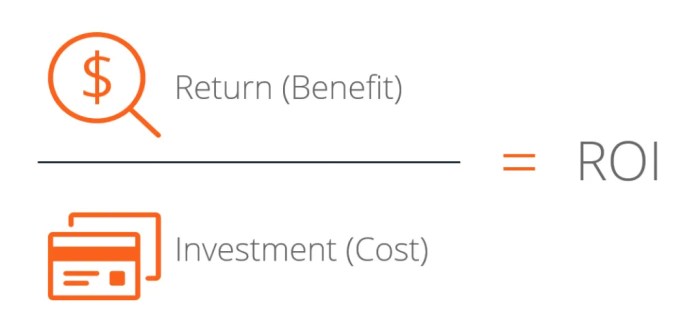
In conclusion, Measuring ROI in Corporate Health and Wellness Initiatives is not just about numbers, but about the overall well-being and productivity of employees. By overcoming challenges and implementing innovative strategies, organizations can truly enhance their ROI and create a culture of health and wellness within their workforce.
Popular Questions
How can organizations benefit from measuring ROI in health and wellness programs?
Measuring ROI helps organizations assess the effectiveness of their corporate health initiatives and make informed decisions to improve employee well-being and productivity.
What are some common obstacles faced when measuring ROI in health and wellness programs?
Common challenges include data accuracy, quantifying the impact of wellness initiatives, and ensuring reliable metrics for ROI calculations.
What role does employee engagement play in maximizing ROI in health and wellness initiatives?
Employee engagement is crucial in enhancing ROI as it drives participation in wellness programs, leading to better health outcomes and increased productivity.