
Delving into the realm of corporate health programs, this piece sheds light on why they hold such importance for employers in the U.S. and Europe. From enhancing employee well-being to boosting productivity, the impact of these programs is undeniable.
Exploring the key components and latest trends, this guide uncovers the essential elements that make up successful programs and how companies are adapting to meet the evolving needs of their workforce.
Importance of Corporate Health Programs
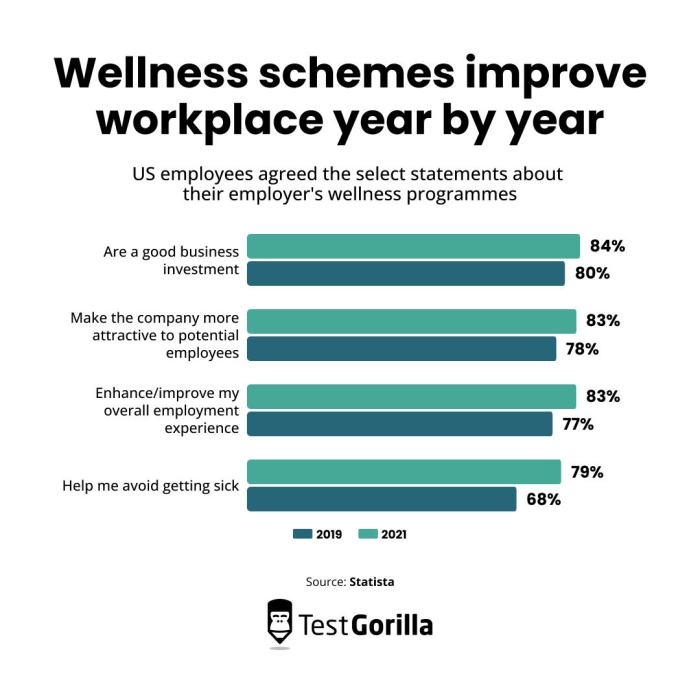
Corporate health programs play a vital role in promoting employee well-being and overall productivity. By investing in the health and wellness of their workforce, employers can create a positive work environment and boost employee morale.
Improved Employee Productivity
- Healthier employees are more focused and energetic, leading to increased productivity levels.
- Reduced absenteeism due to illness results in fewer disruptions and delays in work processes.
- Regular exercise and healthy eating habits promoted through these programs can enhance cognitive function and creativity.
Cost Savings for Employers
- Employees who participate in corporate health programs are less likely to develop chronic health conditions, reducing healthcare costs for employers.
- Healthier employees require fewer sick days and medical leave, leading to savings on replacement staff and overtime expenses.
- Investing in preventive care through these programs can help avoid expensive medical treatments in the future.
Key Components of Corporate Health Programs
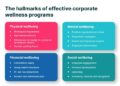
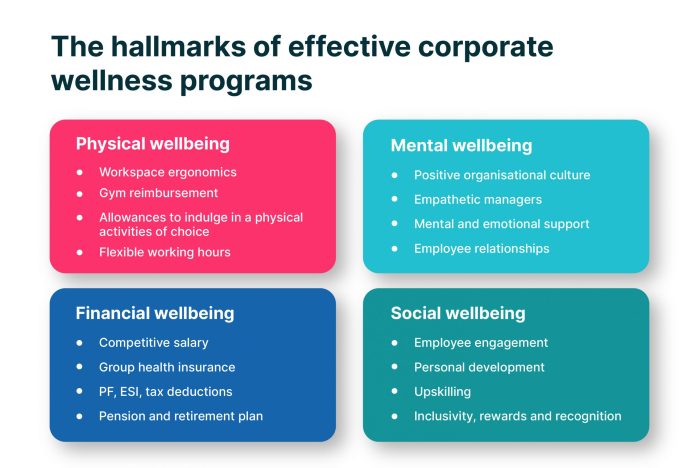
Corporate health programs consist of several key components that contribute to the overall well-being of employees and the success of the program.
Physical Fitness
Physical fitness is a crucial element of corporate health programs as it helps employees improve their overall health and reduce the risk of chronic diseases. This component may include access to gym facilities, on-site fitness classes, or virtual workout sessions.
Mental Health Support
Mental health support is another essential aspect of corporate health programs. Providing employees with resources such as counseling services, mental health workshops, and stress management techniques can help reduce work-related stress and improve overall mental well-being.
Nutrition
Nutrition plays a significant role in employee health and productivity. Corporate health programs often include nutrition education, healthy meal options in the workplace, and access to nutritionists or dietitians to help employees make healthier food choices.
Incentives
Employers use various incentives to encourage employee participation in health programs. These incentives may include rewards for achieving health goals, discounted gym memberships, financial incentives, or even competitions with prizes to motivate employees to engage in healthy behaviors.
Trends in Corporate Health Programs

Integration of Technology
Technology plays a crucial role in modern corporate health programs, with the use of wearable devices, mobile apps, and online platforms becoming increasingly popular. These tools help employees track their health metrics, set goals, and receive personalized feedback and recommendations. Employers can also use data from these technologies to tailor their wellness programs to the specific needs of their workforce, leading to better engagement and outcomes.Innovative Approaches
Some companies are taking innovative approaches to address specific health issues among their employees. For example, implementing virtual reality experiences for stress reduction, offering telemedicine services for remote employees, or providing healthy meal delivery options at the workplace. These creative solutions not only improve employee health but also enhance morale and productivity in the workplace.Legal and Ethical Considerations
When it comes to implementing corporate health programs, employers have certain legal obligations that must be followed to ensure compliance with regulations. Additionally, ethical concerns related to employee privacy and data protection need to be taken into account to maintain trust and respect in the workplace.Legal Obligations
- Employers must comply with federal, state, and local laws when implementing health programs, such as the Americans with Disabilities Act (ADA) and the Health Insurance Portability and Accountability Act (HIPAA).
- Providing a safe work environment and promoting employee well-being is not only a legal obligation but also contributes to a positive organizational culture.
- Employers may need to provide reasonable accommodations for employees with disabilities to participate in health programs, ensuring equal access to benefits.
Ethical Concerns
- Employee privacy is a major ethical concern, as health data is sensitive information that should be protected from unauthorized access or disclosure.
- Companies need to establish clear policies on data collection, storage, and sharing to ensure that employee information is kept confidential and secure.
- Respecting employee autonomy and consent is crucial when implementing health programs, as individuals should have the right to choose their level of participation without feeling pressured or coerced.
Ensuring Compliance
- Companies can ensure compliance with regulations by conducting regular audits to assess program effectiveness and legality.
- Training employees on data privacy and security protocols can help prevent breaches and ensure that sensitive information is handled appropriately.
- Seeking legal counsel or consulting with experts in healthcare law can provide guidance on best practices and ensure that corporate health programs adhere to legal requirements.
Wrap-Up
In conclusion, the imperative nature of corporate health programs for U.S. and European employers cannot be overstated. As businesses navigate the complexities of legal and ethical considerations, prioritizing employee health remains at the forefront of organizational strategy.
FAQ Summary
What are the benefits of corporate health programs for employers?
Corporate health programs can lead to reduced absenteeism, increased employee engagement, and improved overall productivity, resulting in cost savings for employers.
How can companies ensure compliance with legal regulations when implementing health programs?
Companies can ensure compliance by conducting thorough legal reviews, obtaining necessary permits, and maintaining transparent communication with employees regarding data privacy and protection.
What innovative approaches are some companies taking to address specific health issues among employees?
Some companies are implementing personalized wellness plans, mental health support networks, and gamified fitness challenges to target specific health concerns among their workforce.