
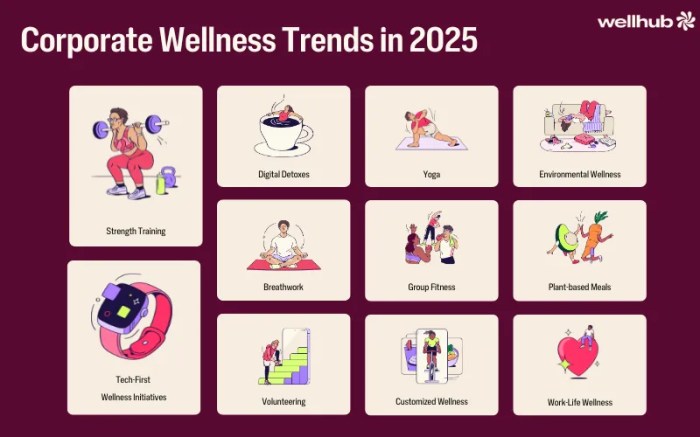
Embark on a journey through the latest trends in Corporate Health and Wellness that are reshaping the global workforce. From innovative wellness programs to cutting-edge technology, this topic delves into the key aspects driving employee well-being in modern workplaces.
Corporate Wellness Programs
 Corporate wellness programs are initiatives implemented by companies to promote the health and well-being of their employees. These programs aim to improve overall employee satisfaction, reduce healthcare costs, increase productivity, and decrease absenteeism. By offering various wellness activities and resources, companies can create a positive work environment and support their employees in leading healthier lifestyles.
Examples of Successful Corporate Wellness Initiatives
- On-site fitness classes and gym memberships
- Healthy snack options in the workplace
- Mental health support programs such as counseling services
- Weight loss challenges and nutrition workshops
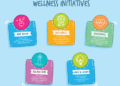
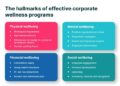
Comparison of Different Types of Corporate Wellness Programs
| Wellness Program Type | Description |
|---|---|
| Physical Wellness Programs | Focus on promoting physical activity, healthy eating, and regular exercise. |
| Mental Health Wellness Programs | Emphasize mental well-being through stress management techniques, mindfulness practices, and access to counseling services. |
| Financial Wellness Programs | Provide resources and education on financial planning, budgeting, and retirement savings. |
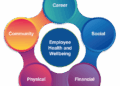
| Community Wellness Programs | Encourage employees to participate in volunteer activities, charity events, and community outreach programs. |
Technology in Corporate Health
Technology plays a crucial role in shaping corporate health and wellness programs, revolutionizing the way employers and employees approach well-being in the workplace. From wearable devices to health apps, technological advancements have transformed the landscape of corporate health management, offering innovative solutions to enhance employee well-being and productivity.Wearable Devices and Health Apps
- Wearable devices, such as fitness trackers and smartwatches, allow employees to monitor their physical activity, sleep patterns, and overall health in real-time. These devices provide valuable data that can help individuals make informed decisions about their lifestyle choices and track progress towards their health goals.
- Health apps offer personalized guidance on nutrition, exercise routines, stress management, and mental health support. These apps empower employees to take control of their health and well-being by providing convenient access to resources and tools for self-improvement.
- The integration of wearable devices and health apps into corporate wellness programs enables employers to collect anonymized data on employee health trends, identify areas for improvement, and tailor wellness initiatives to meet the specific needs of their workforce.
Mental Health Support
Mental health support is a crucial aspect of overall well-being, especially in corporate settings where employees often face high levels of stress and pressure. Creating a supportive environment for mental health can significantly improve employee morale, productivity, and retention rates.Strategies for Promoting Mental Wellness
- Encourage open communication: Foster a culture where employees feel comfortable discussing their mental health concerns without fear of stigma or judgment.
- Provide access to mental health resources: Offer employees access to counseling services, mental health hotlines, or online resources to seek help when needed.
- Implement mental health days: Allow employees to take mental health days off when they are feeling overwhelmed or burnt out.
- Offer mindfulness and stress-reduction activities: Organize workshops or sessions on mindfulness, meditation, yoga, or other relaxation techniques to help employees manage stress.
- Promote work-life balance: Encourage employees to prioritize self-care, set boundaries between work and personal life, and take breaks when needed.
Creating a Supportive Environment for Employees' Mental Health
- Train managers and supervisors: Provide training on recognizing signs of mental health issues, how to support employees, and how to refer them to appropriate resources.
- Implement mental health policies: Develop clear policies and procedures related to mental health support, confidentiality, and accommodations for employees who may need additional support.
- Normalize mental health conversations: Host seminars, webinars, or lunch-and-learn sessions to educate employees on mental health, reduce stigma, and encourage seeking help when needed.
- Offer employee assistance programs (EAPs): Provide confidential counseling services, referrals to mental health professionals, and resources for employees and their families.
- Monitor workloads and stress levels: Keep an eye on workloads, deadlines, and overall stress levels within the organization to proactively address issues that may impact mental health.
Remote Work and Wellness
 Remote work has become increasingly prevalent in today's workforce, especially in light of recent global events. While remote work offers flexibility and convenience, it also presents unique challenges in maintaining employee wellness.
 Challenges of Maintaining Employee Wellness in a Remote Work Setup
- Isolation and loneliness: Remote employees may feel disconnected from their colleagues, leading to feelings of isolation and loneliness.
- Lack of work-life balance: Without clear boundaries between work and personal life, remote workers may struggle to disconnect and recharge.
- Ergonomic issues: Working from home may not offer the same level of ergonomic support as a traditional office setup, leading to physical discomfort and potential injuries.
Tips for Promoting Health and Wellness Among Remote Employees
- Encourage regular breaks: Remind remote employees to take breaks throughout the day to rest their eyes, stretch, and move around.
- Promote virtual social interactions: Organize virtual team-building activities, coffee breaks, or wellness sessions to foster a sense of connection among remote employees.
- Provide resources for mental health support: Offer access to virtual counseling services or mental health resources to support the emotional well-being of remote workers.
Role of Virtual Wellness Programs in Supporting Remote Workers
Virtual wellness programs play a crucial role in supporting the health and well-being of remote workers. These programs can provide remote employees with access to fitness classes, mindfulness sessions, nutritional guidance, and mental health resources, all from the comfort of their own homes. By offering virtual wellness programs, organizations can help remote workers prioritize their health and stay engaged in their overall well-being.Diversity, Equity, and Inclusion (DEI) in Wellness
Diversity, equity, and inclusion (DEI) are crucial aspects of corporate wellness that organizations are increasingly recognizing as integral to the overall well-being of their workforce. By fostering a diverse and inclusive environment, companies can create a culture of belonging and support that positively impacts employee health and engagement.Incorporating DEI Principles into Wellness Programs
Organizations can incorporate DEI principles into their wellness programs by:
- Ensuring that wellness initiatives are accessible to all employees, taking into account different backgrounds and abilities.
- Offering resources and support that cater to the diverse needs of employees, such as culturally relevant mental health services or language-specific wellness materials.
- Promoting an inclusive workplace culture where individuals feel valued and respected, which can enhance overall well-being and productivity.
Benefits of Prioritizing DEI in Corporate Well-being Strategies
Prioritizing diversity, equity, and inclusion in corporate well-being strategies can lead to:
- Improved employee morale and engagement, as individuals feel a sense of belonging and are more likely to participate in wellness programs.
- Enhanced creativity and innovation, as diverse perspectives and experiences contribute to the development of more comprehensive wellness initiatives.
- Reduced health disparities among employees from different backgrounds, ultimately leading to a healthier and more inclusive work environment.
Final Wrap-Up
In conclusion, the evolving landscape of Corporate Health and Wellness Trends is crucial for organizations looking to prioritize the health and productivity of their workforce. By staying abreast of these trends, companies can create a thriving work environment that values employee well-being.
Questions and Answers
How can companies integrate technology into their corporate wellness programs effectively?
Companies can leverage wearable devices and health apps to track employee progress, offer personalized health insights, and gamify wellness challenges to enhance engagement.
Why is mental health support gaining importance in corporate settings?
Mental health support is vital as it boosts employee resilience, reduces absenteeism, and fosters a positive work culture that prioritizes holistic well-being.
What are some strategies for promoting diversity, equity, and inclusion in wellness programs?
Organizations can conduct diversity training, ensure representation in wellness initiatives, and create inclusive spaces for all employees to feel supported.