
Starting off with How Corporate Wellness Programs Reduce Healthcare Costs for Employers, this introductory paragraph aims to provide a compelling overview of the topic, setting the stage for the detailed discussion ahead.
The next paragraph will delve into the specifics and examples related to corporate wellness programs and their impact on reducing healthcare costs for employers.
Benefits of Corporate Wellness Programs
 Corporate wellness programs play a crucial role in improving employees' health and overall well-being. By focusing on preventive measures and promoting healthy habits, these programs can have a positive impact on both employees and employers.
Wellness Initiatives for a Healthy Lifestyle
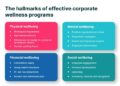
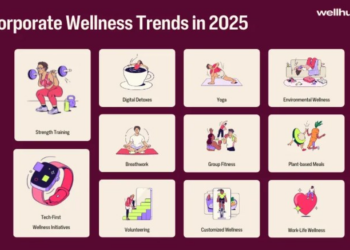
- Offering healthy food options in the workplace cafeteria or vending machines.
- Providing access to fitness classes or gym memberships.
- Implementing stress management programs such as yoga or meditation sessions.
- Organizing health screenings and check-ups for employees.
Reducing Absenteeism and Increasing Productivity
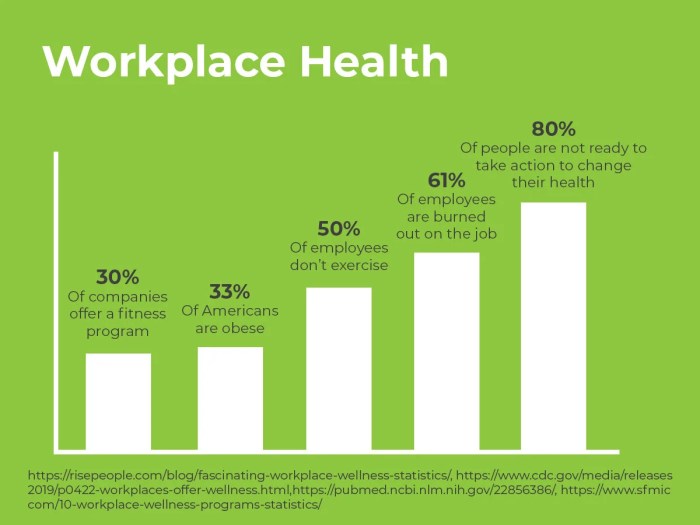
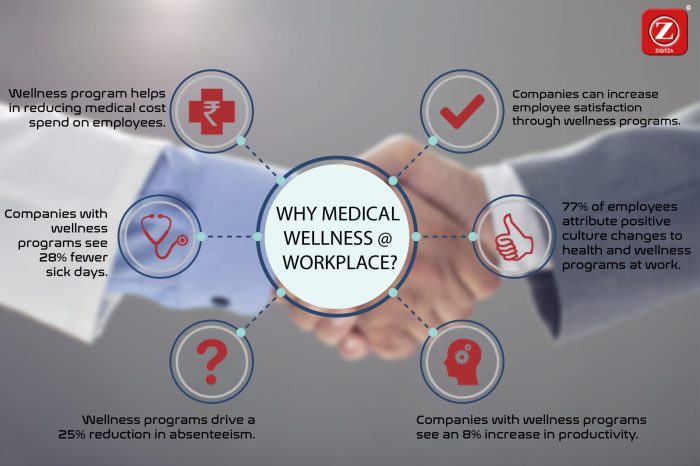
Corporate wellness programs have been shown to reduce absenteeism by encouraging employees to take better care of their health. By promoting regular exercise, healthy eating habits, and stress management techniques, employees are less likely to get sick or experience burnout. This, in turn, leads to increased productivity as employees are more energized, focused, and motivated to perform well at work.
Strategies for Implementing Effective Wellness Programs
 Implementing corporate wellness programs requires careful planning and execution to ensure success. Here are key strategies companies can utilize to design and implement effective wellness initiatives:
Engaging Employees in Wellness Activities
- Offer a variety of wellness activities to cater to different interests and preferences.
- Communicate the benefits of participation in wellness programs clearly to employees.
- Provide incentives such as rewards or recognition for employees who actively engage in wellness activities.
- Encourage team-based challenges or competitions to foster camaraderie and motivation.
Measuring ROI of Wellness Programs
- Track key metrics such as healthcare costs, absenteeism rates, and employee productivity before and after implementing wellness programs.
- Utilize surveys or feedback mechanisms to gather data on employee satisfaction and perception of wellness initiatives.
- Compare the ROI of wellness programs by analyzing cost savings in healthcare expenses and improvements in employee well-being.
- Consider partnering with third-party vendors or consultants to conduct a comprehensive evaluation of the impact of wellness programs on healthcare costs.
Prevention and Early Intervention
Wellness programs play a crucial role in preventing chronic diseases and promoting early intervention for health issues. By focusing on proactive measures, companies can help employees stay healthy and address potential problems before they escalate.Incorporating Preventive Measures
- Offering regular health screenings to detect issues early on.
- Providing education on healthy lifestyle choices, such as nutrition and exercise.
- Encouraging preventive care visits and vaccinations.
Cost-saving Benefits
- Identifying health issues early can lead to lower healthcare costs in the long run.
- Preventing chronic diseases reduces the need for expensive treatments and medications.
- Promoting a culture of wellness can decrease absenteeism and increase productivity, saving money for the company.
Collaborations with Healthcare Providers
Collaborating with healthcare providers is crucial for companies looking to implement effective corporate wellness programs. By working together, companies can leverage the expertise of healthcare professionals to tailor wellness initiatives that meet the specific needs of their employees.Tailoring Wellness Initiatives
Companies can collaborate with healthcare providers to conduct health assessments and identify areas of improvement for their employees. This data-driven approach allows companies to design wellness programs that address the unique health concerns of their workforce. For example, a company may partner with a nutritionist to develop healthy eating workshops or with a fitness trainer to create personalized exercise plans.Reducing Healthcare Costs
Success stories abound of companies collaborating with healthcare providers to reduce healthcare costs through wellness programs. By promoting preventive care and early intervention, these programs help employees manage chronic conditions more effectively, leading to fewer hospital visits and lower healthcare expenses. For instance, a company that partnered with a local clinic to offer regular health screenings saw a significant decrease in the number of employees requiring costly medical treatments.Ending Remarks
Concluding this discussion on How Corporate Wellness Programs Reduce Healthcare Costs for Employers, this paragraph will offer a concise summary of the key points covered, leaving readers with a lasting impression.
FAQ Guide
How can corporate wellness programs help reduce healthcare costs for employers?
Corporate wellness programs can lower healthcare costs by promoting employee health and well-being, reducing absenteeism, and improving productivity.
What are some common wellness initiatives that can be implemented by companies?
Examples of wellness initiatives include fitness challenges, healthy eating programs, mental health workshops, and on-site health screenings.
How do corporate wellness programs contribute to preventing chronic diseases?
Wellness programs can help prevent chronic diseases by promoting healthy lifestyle choices, early intervention, and regular health screenings.